Workshops 2027
Sign up now for a workshop in 2027
One day at your museum or institution, in the PHOTARCH method. In Swedish or English.
Photographer · Archaeologist
I made PHOTARCH
a method for photographing objects, and now an app – a collection management tool for your archive.
Give it a try →Photographer turned Archaeologist.Making images of artefacts photographed in detail and at scale.
Collections
At True Scale
Different artefacts from different places, photographed under the same light, at the same angle, against the same background — and reproduced with the scale built into the metadata.
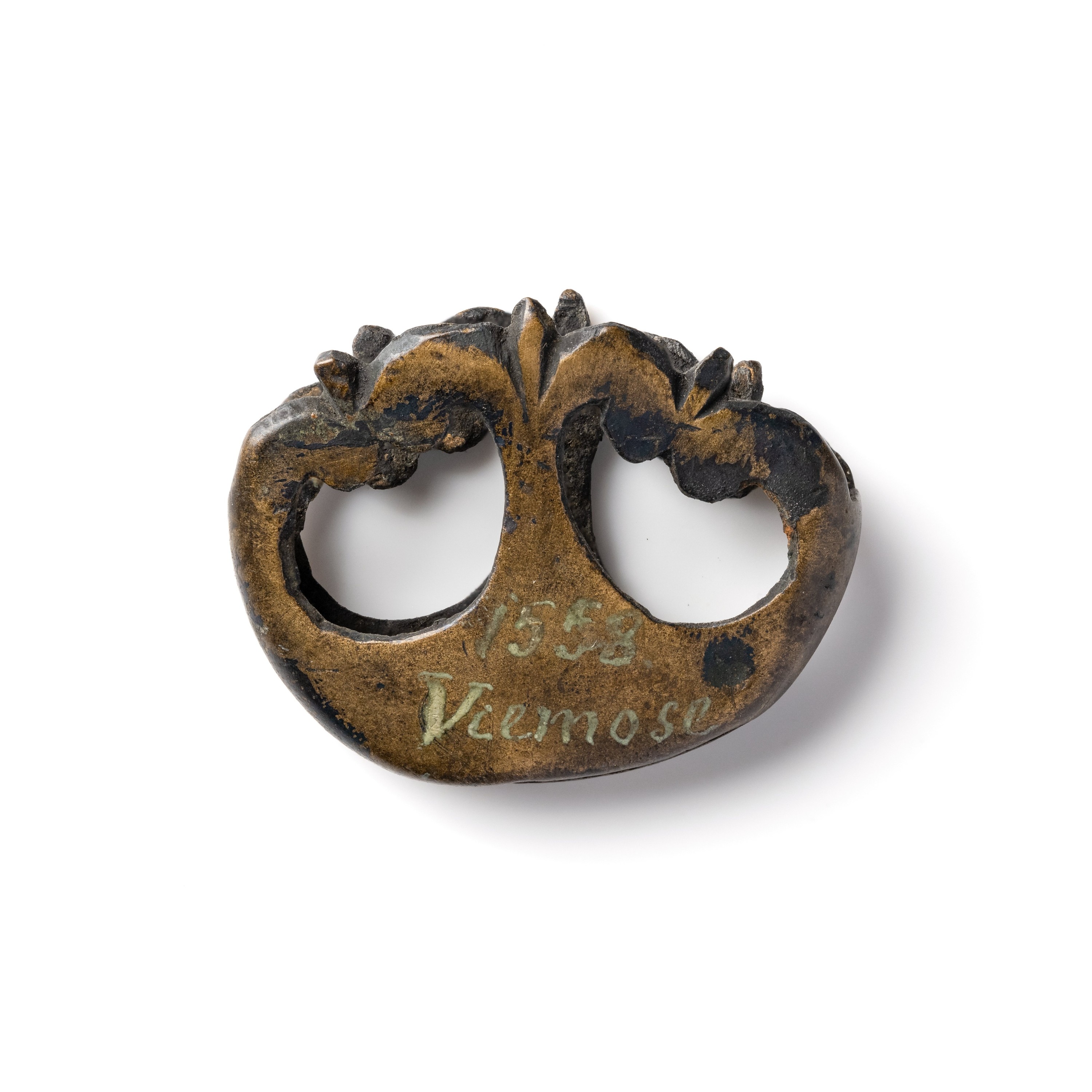
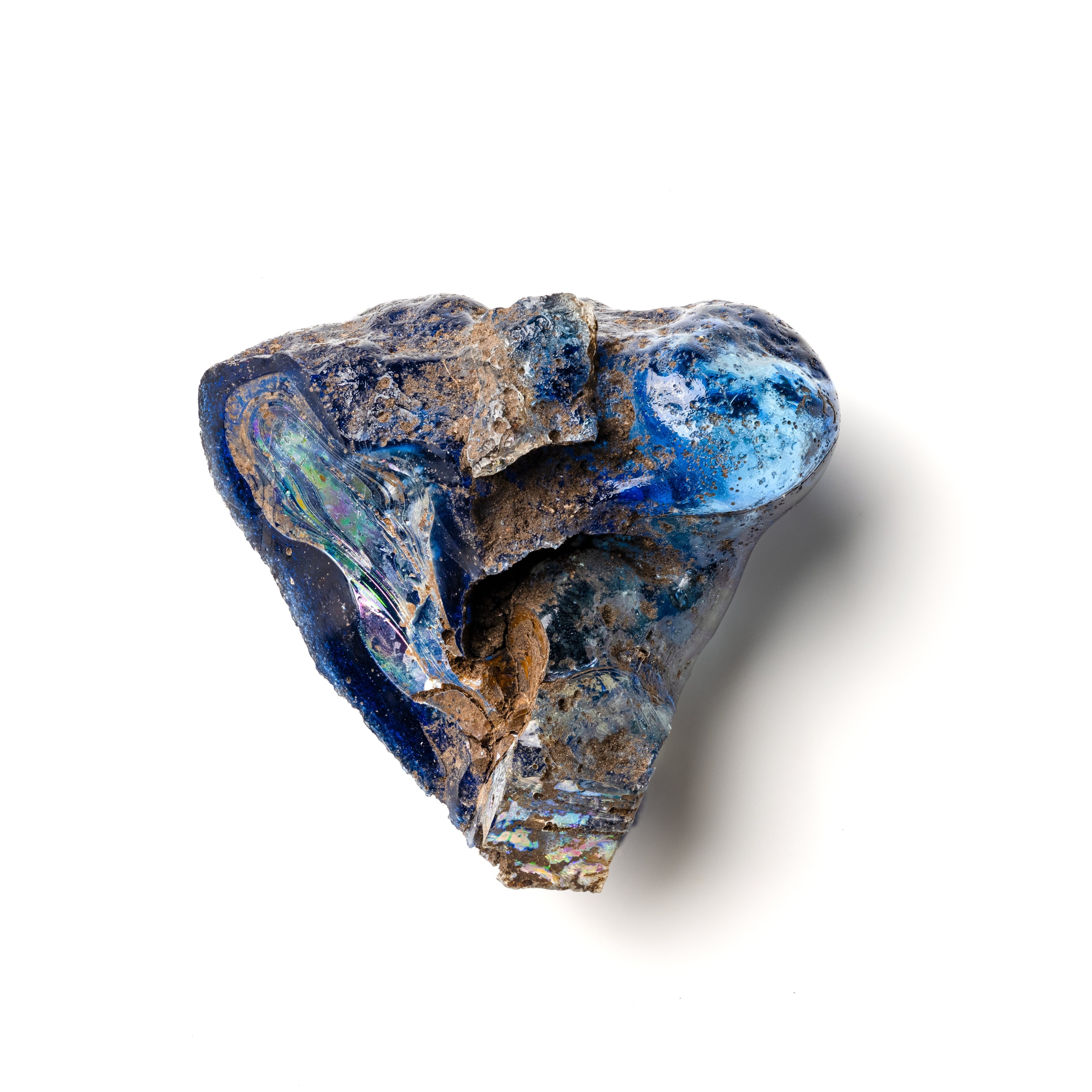
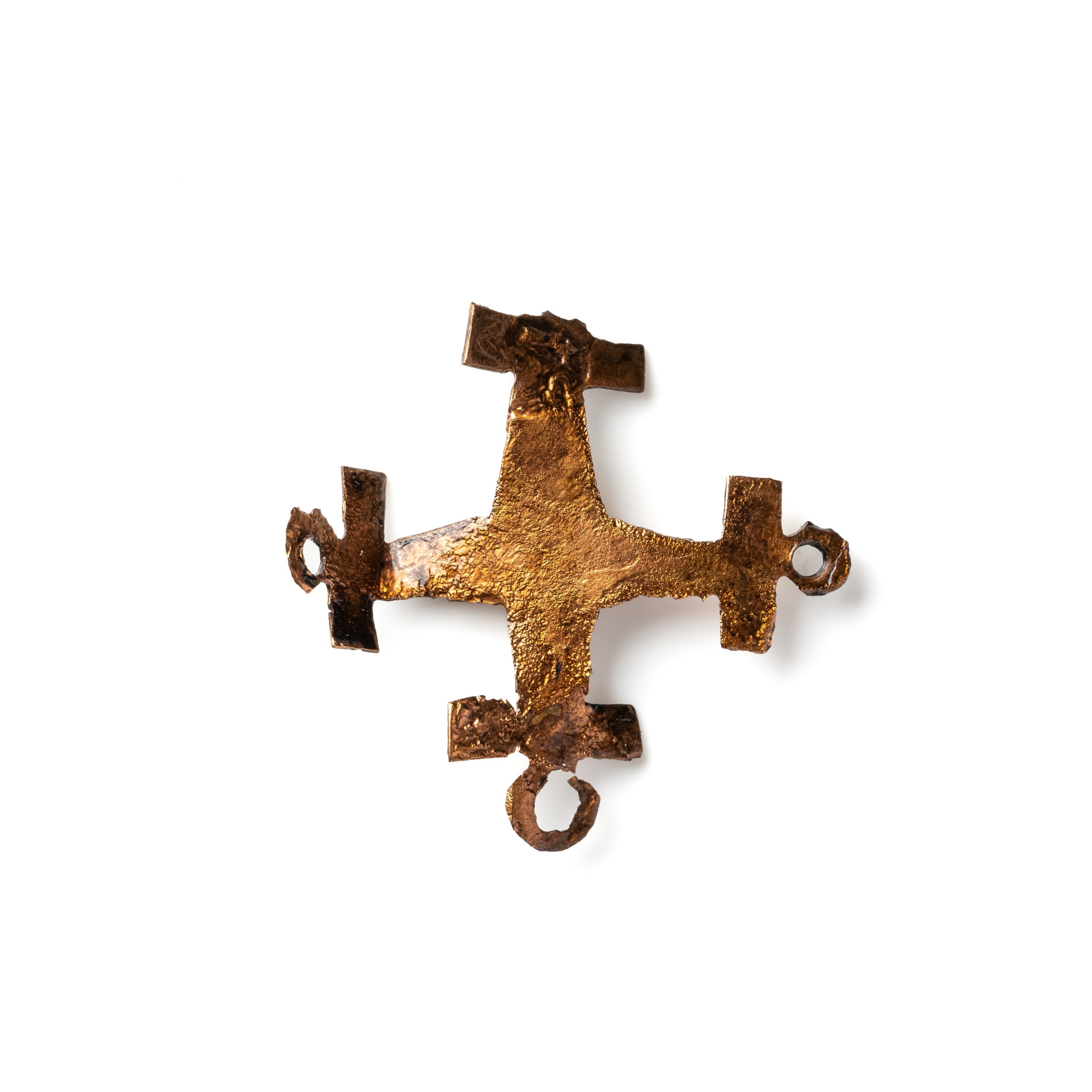
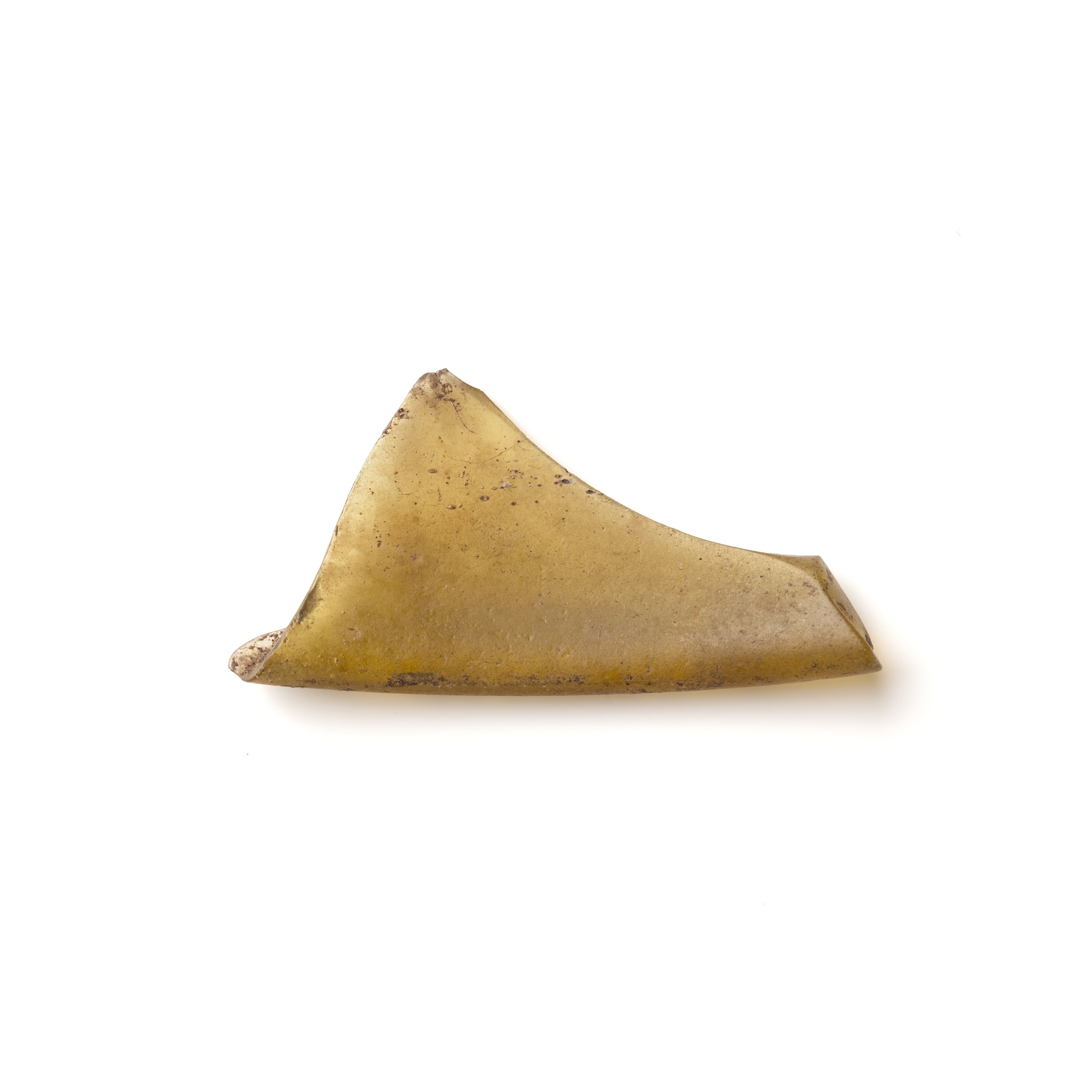
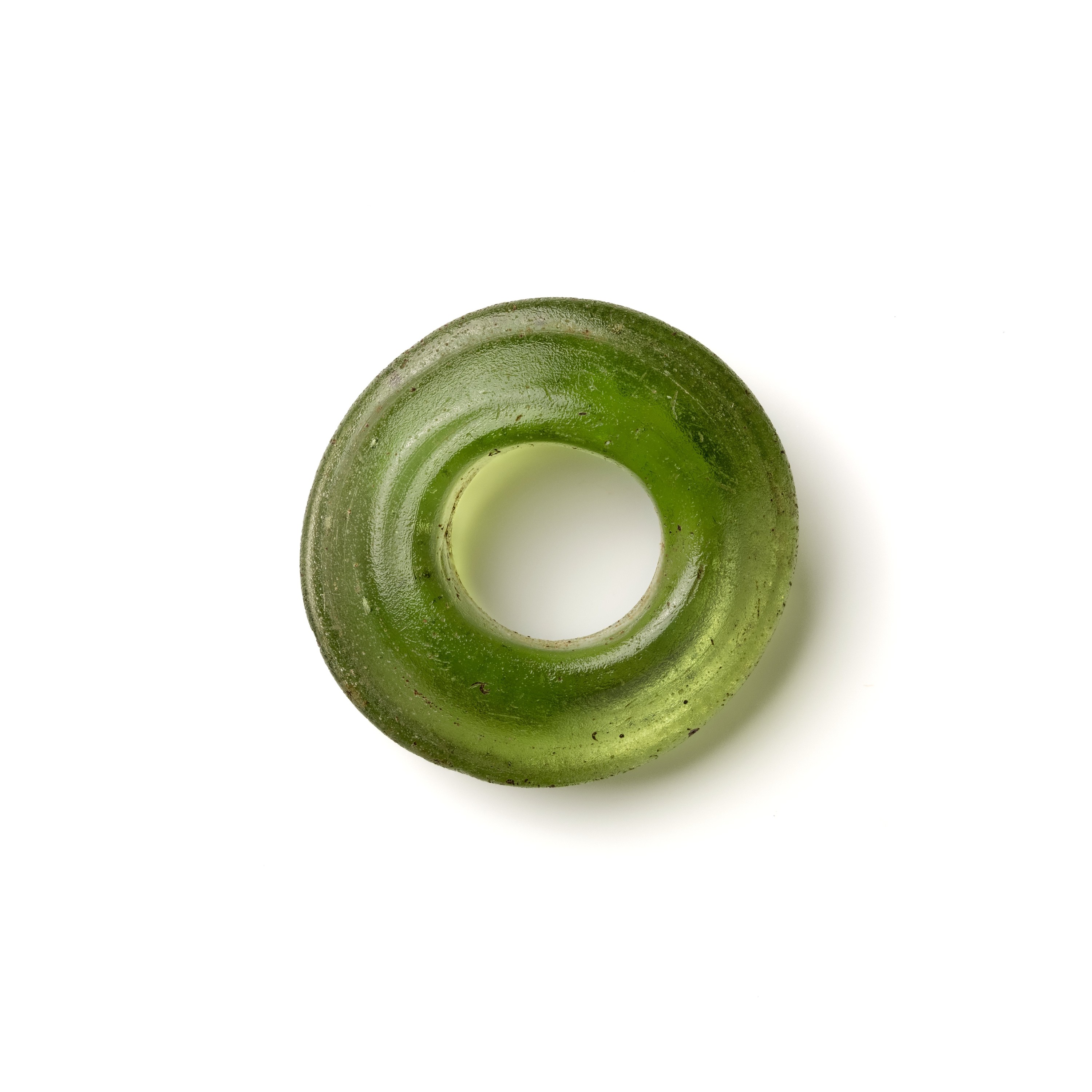
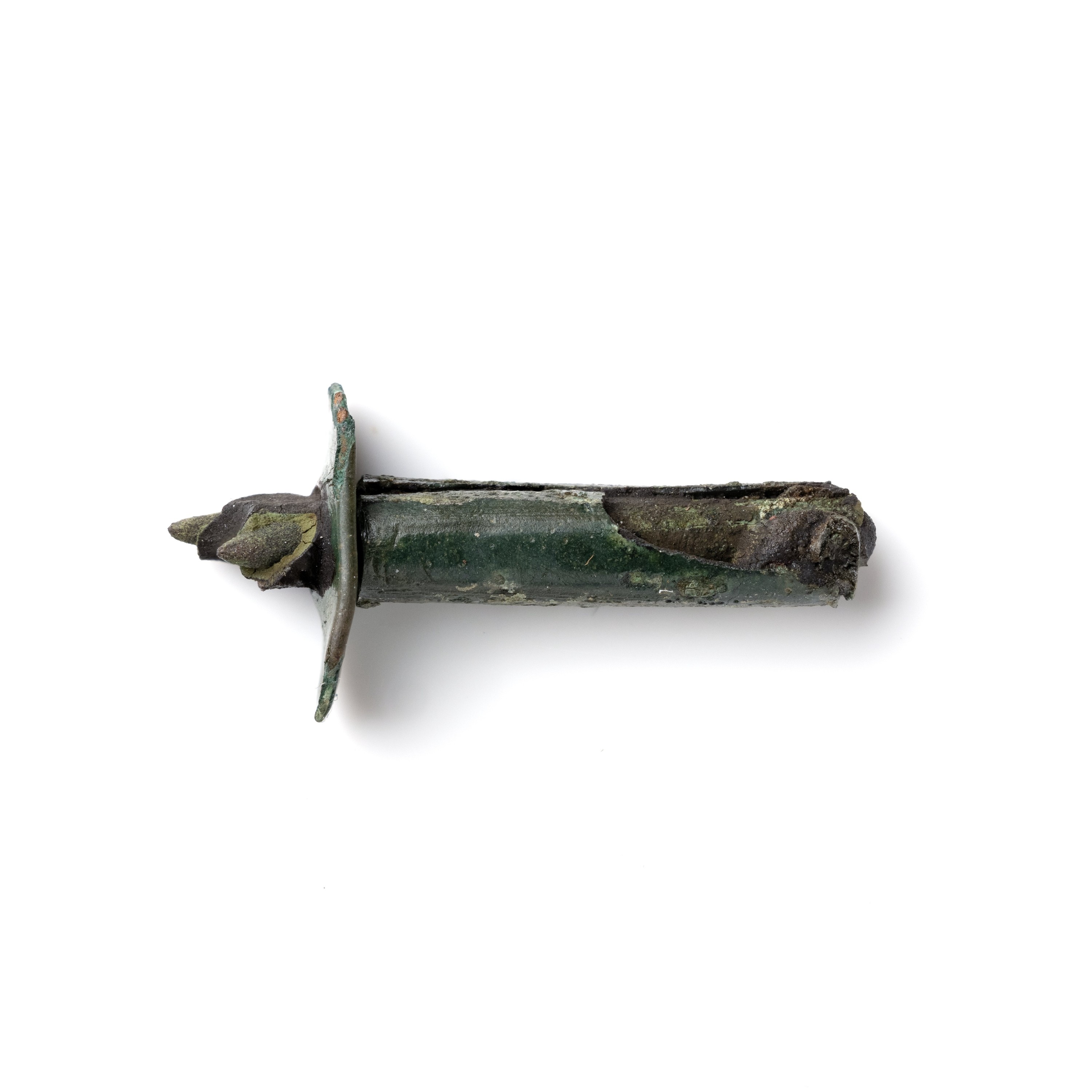
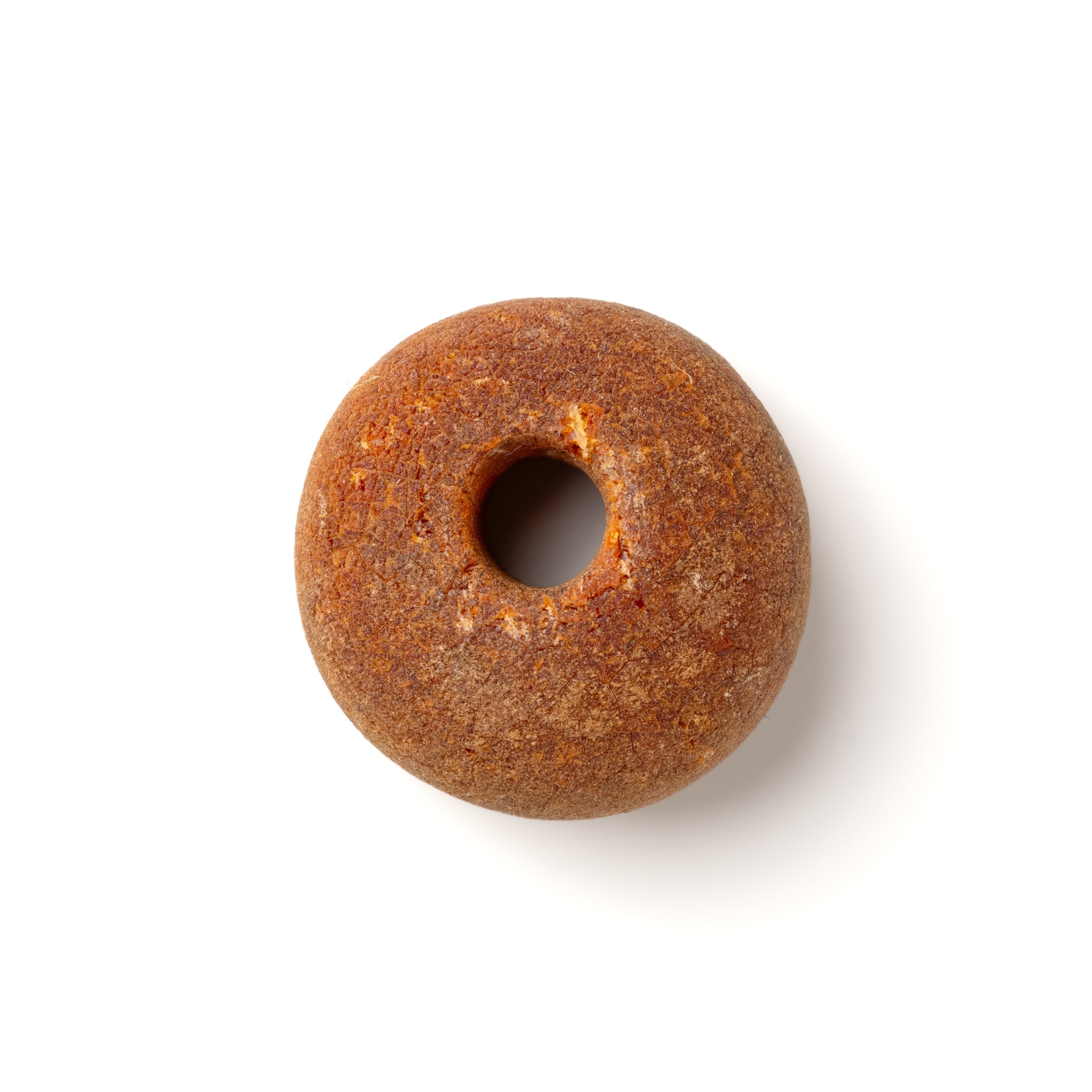
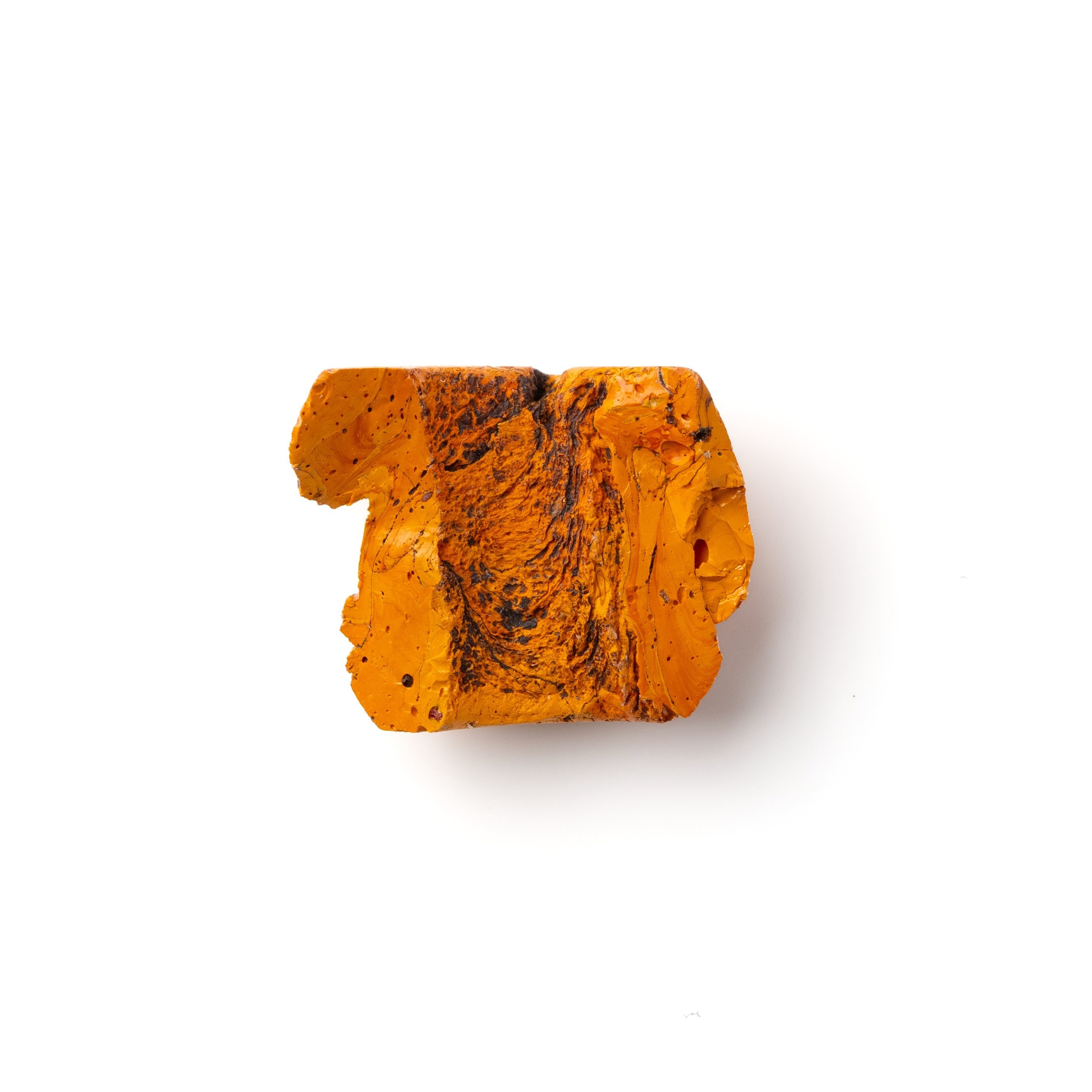
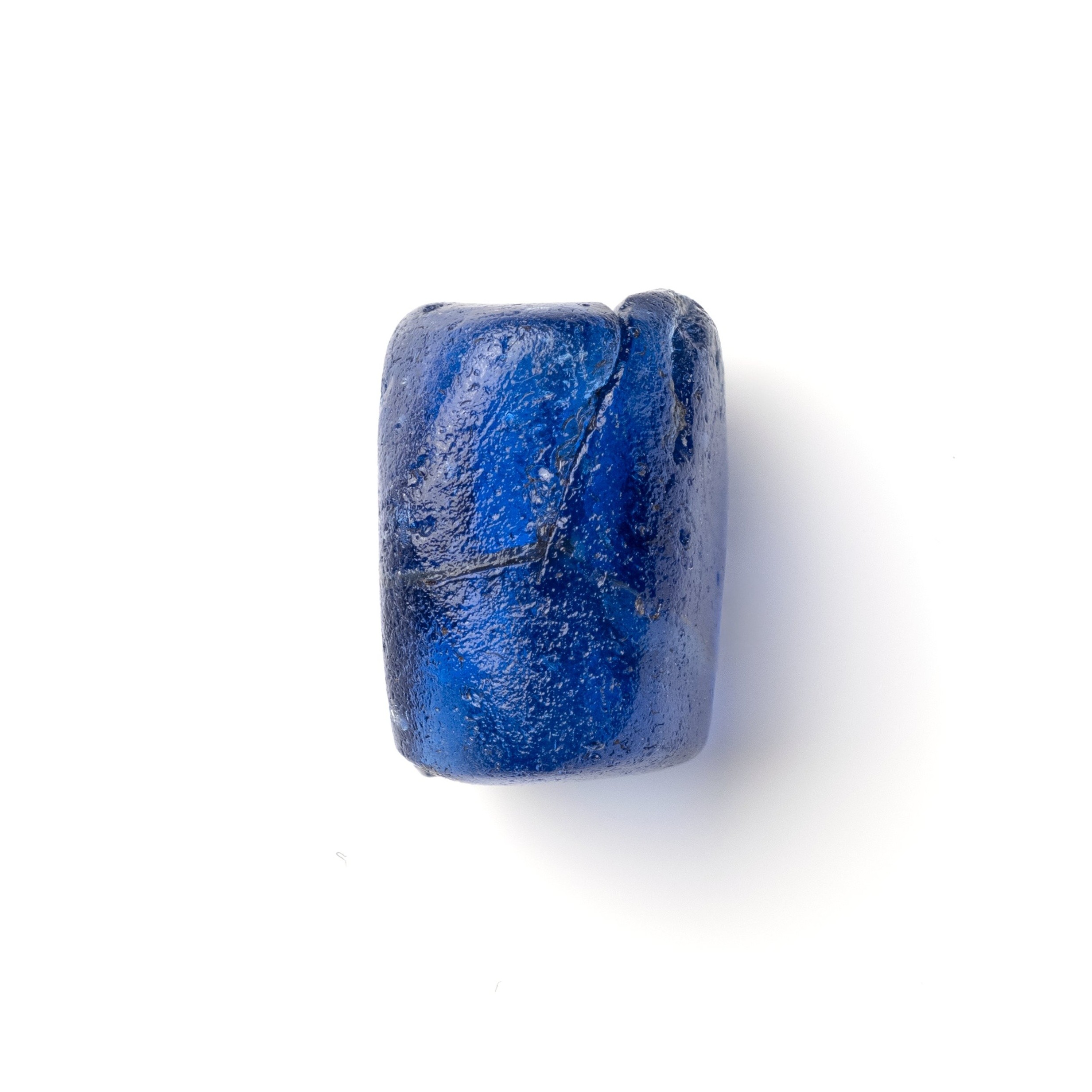
Image Scale Metadata
What ISM is
An image file knows how many pixels it has, but not how large the object in it is. ISM is a few lines of text written into the file itself that say so:
- The scale
- how many millimetres one pixel stands for.
- The method
- how the scale was measured, with a ruler or with calipers, for example.
- The uncertainty
- how far the number can be trusted.
- The plane
- where on the object the scale holds.
PHOTARCH both writes and reads those lines. The app writes them into every file it exports, and reads them from a file that already carries them. No ruler has to lie in the picture, and whoever receives the file does not have to ask me how large the object is.
When an object is published to the archive, the measure follows it to the web. Each object gets a IIIF manifest, the description that image viewers at museums and libraries read, and the scale stands there, with how it was measured when that is recorded. The archive's own viewer can be embedded on another page with the scale bar intact. The one further down this page is one.
The method
Three things held constant, object after object, museum after museum.
01
One key light.
02
One angle to that light.
03
One white ground.
Live from the archive
The scale lives in the data, not in the picture.
Zoom in as far as you like — the scale bar stays true, because the image carries its own millimetres per pixel.
Glass bead from Sandby Borg, Kalmar County Museum. Loaded live from photarch.com.
Highlights
Teaching
Bringing the method to your collection
I teach the method directly — to museum photographers, documentation officers and finds specialists who need their images to hold up ten years from now.
01
Lecture
There is a problem in archiving. Things are photographed by different methods and come out looking different. What would it look like if we all used the same method?
Museums · Universities · Conferences
Request a date
02
Workshop
Two versions, held at your own premises: one for those who do not work as photographers but want to take good pictures, or one for photographers who want consistent results.
On site · Novice or pro version
Book for 2027
03
One to one
Sixty minutes over Zoom for a single photographer or curator. Bring your images and your equipment, and we go through how it can be optimised.
Zoom · 60 minutes
Book a session
04
On site
One to three months at your institution: the collection photographed so that the images can be measured, and staff who can carry on.
1–3 months · Three days a week
See the commission
About
I photograph archaeological objects. In 2014, during the excavation of Sandby Borg at Kalmar County Museum, I started working out a way to do it that would give the same result every time — the same light, the same angle, the same ground — so that images made years apart, in different museums, could still be compared.
That method is PHOTARCH. It has since been awarded the GFX Challenge Grant and published in The European Archaeologist.
The method and the archive live on photarch.com →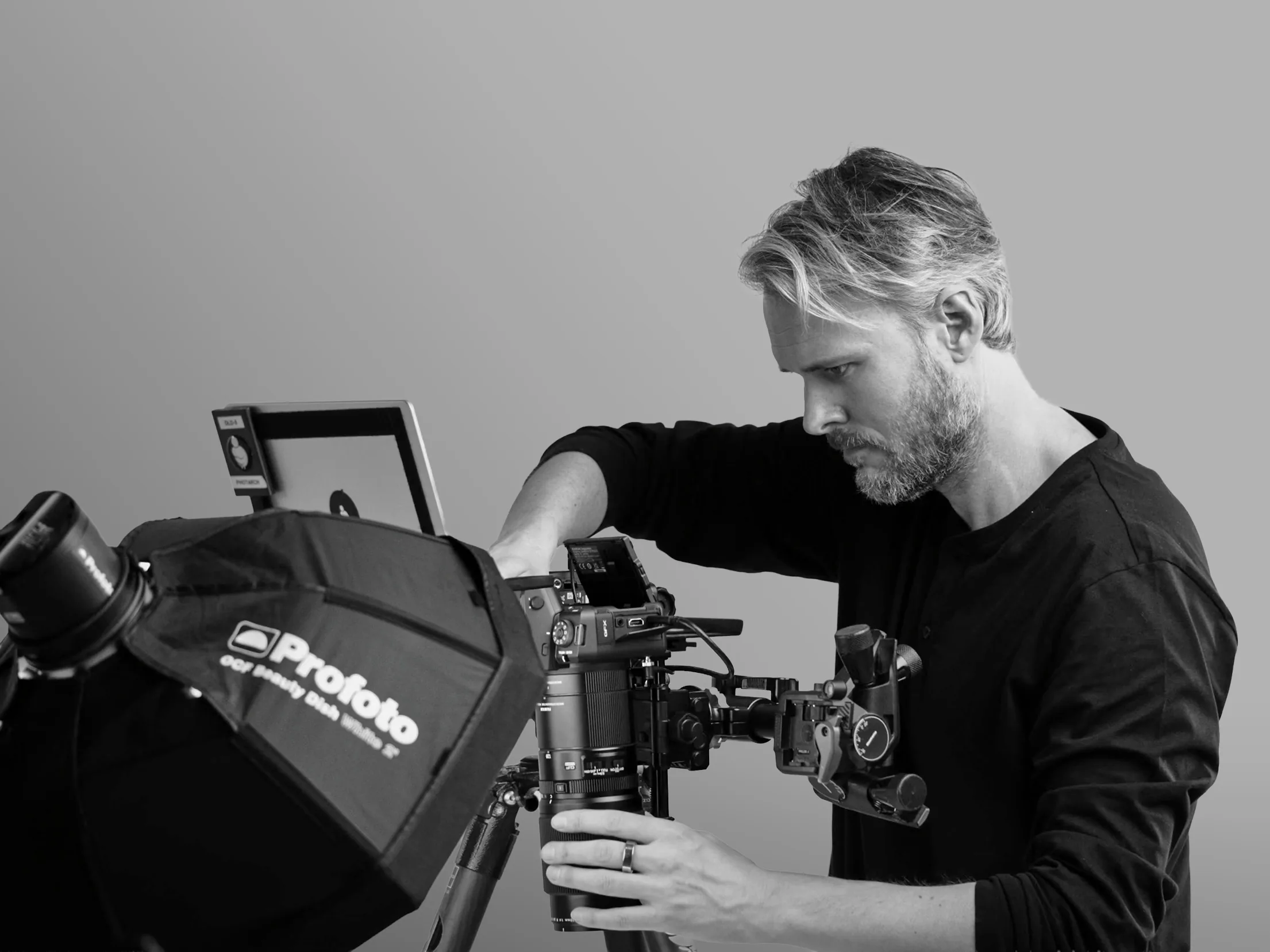
Tools
A method is only as good as its tools
The PHOTARCH app is out now on photarch.com.
The PHOTARCH app
A catalogue that measures. Import, calibrate, annotate and describe artefact images, then export records in the formats museum systems already accept.
photarch.com →PHOTARCH Board
A calibrated capture surface. The markers let the software derive true millimetre scale across the whole field and verify that a shot meets the method before anything is measured.
Coming soon
Featured in


